YouTube Marketing Strategy 2026: How to Leverage Augmented Reality Overlays and Digital Twin Technology for Interactive Subscriber Engagement
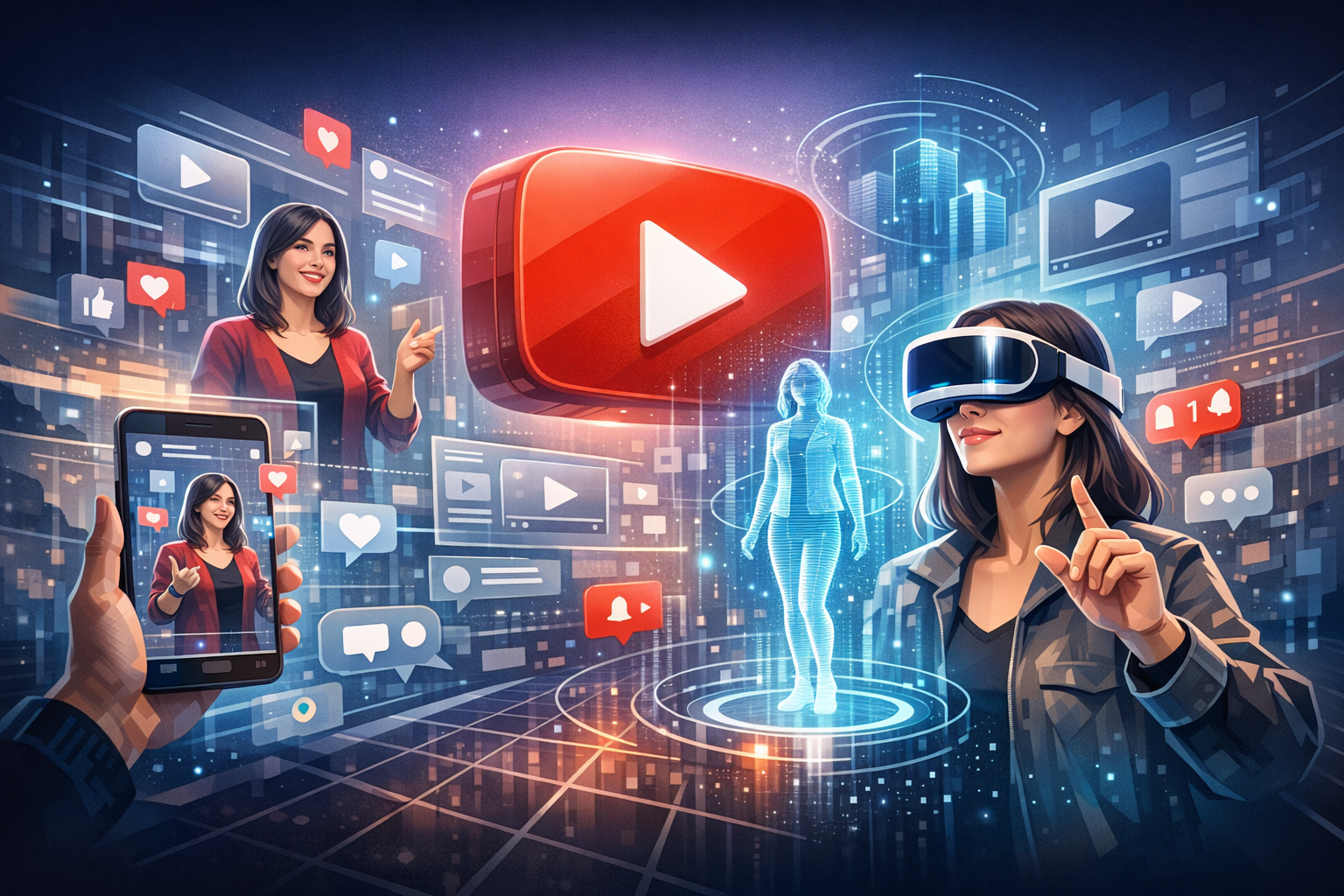
YouTube Marketing Strategy 2026: How to Leverage Augmented Reality Overlays and Digital Twin Technology for Interactive Subscriber Engagement
As we approach 2026, the landscape of YouTube marketing is undergoing a revolutionary transformation. The integration of augmented reality (AR) overlays and digital twin technology is reshaping how content creators and brands engage with their audiences. These emerging technologies are not just futuristic concepts—they're becoming essential tools for marketers who want to stay ahead of the competition and create truly immersive subscriber experiences.
The Evolution of YouTube Marketing: From Static to Interactive
Traditional YouTube marketing strategies relied heavily on compelling video content, SEO optimization, and consistent posting schedules. While these fundamentals remain important, the platform's evolution toward interactive experiences demands a more sophisticated approach. Modern subscribers expect personalized, immersive content that goes beyond passive viewing.
The shift toward interactive content is driven by several factors:
- Decreased attention spans requiring more engaging content formats
- Increased competition for viewer time and engagement
- Rising expectations for personalized experiences
- Technological advances making AR and digital twin solutions accessible
Understanding Augmented Reality Overlays in YouTube Marketing
Augmented reality overlays represent a game-changing technology that allows creators to superimpose digital elements onto real-world environments within their videos. This technology enables viewers to interact with content in unprecedented ways, creating memorable experiences that drive engagement and subscriber loyalty.
Key Applications of AR Overlays
Product Demonstrations: Brands can now showcase products in viewers' actual environments, allowing potential customers to visualize how items would look in their homes or offices. This application is particularly powerful for furniture, home décor, and fashion brands.
Educational Content: Complex concepts become more accessible when presented through interactive AR elements. Science channels can display 3D molecular structures, history channels can recreate ancient civilizations, and tech reviewers can provide interactive product breakdowns.
Gaming and Entertainment: Content creators can develop AR mini-games or interactive experiences that keep viewers engaged throughout the video and encourage repeat visits to their channels.
Implementation Strategies for AR Overlays
To successfully implement AR overlays in your YouTube marketing strategy, consider these approaches:
- Start with simple overlays: Begin with basic AR elements like floating text, simple animations, or clickable hotspots before advancing to complex interactive experiences.
- Focus on value addition: Ensure that AR elements enhance the viewing experience rather than serving as mere gimmicks.
- Optimize for mobile devices: Since most YouTube consumption occurs on mobile devices, prioritize AR experiences that work seamlessly on smartphones and tablets.
- Test and iterate: Use analytics to measure engagement with AR elements and continuously refine your approach based on viewer behavior.
Digital Twin Technology: Creating Virtual Brand Experiences
Digital twin technology creates virtual replicas of physical objects, environments, or processes that can be manipulated and explored in real-time. For YouTube marketers, this technology opens up possibilities for creating immersive brand experiences that were previously impossible.
Revolutionary Applications of Digital Twins
Virtual Showrooms: Brands can create digital replicas of their physical stores or product lines, allowing viewers to explore inventory, compare products, and make informed purchasing decisions without leaving YouTube.
Behind-the-Scenes Access: Companies can offer exclusive access to manufacturing processes, office environments, or restricted areas through digital twin representations, building stronger connections with their audience.
Interactive Training and Tutorials: Educational content creators can develop digital twins of complex systems or environments, enabling viewers to practice skills in a risk-free virtual setting.
Building Effective Digital Twin Experiences
Creating compelling digital twin experiences requires careful planning and execution:
- Define clear objectives: Determine what you want viewers to accomplish within the digital twin environment
- Ensure realistic interactions: The virtual environment should respond logically to user inputs
- Provide guided experiences: Include tutorials or guided tours to help viewers navigate the digital twin effectively
- Integrate social features: Allow viewers to share their experiences or interact with other users within the digital twin environment
Measuring Success: Analytics and Engagement Metrics
The implementation of AR overlays and digital twin technology requires new approaches to measuring success. Traditional metrics like view count and watch time remain important, but additional indicators become crucial for evaluating the effectiveness of interactive content.
Key Performance Indicators for Interactive Content
Interaction Rate: Track how many viewers engage with AR elements or digital twin features compared to total view count.
Session Duration: Measure how long viewers spend interacting with immersive elements, as this indicates engagement quality.
Conversion Tracking: Monitor how interactive experiences translate into desired actions such as subscriptions, purchases, or website visits.
Social Sharing: Evaluate how often viewers share their interactive experiences on other platforms, indicating content virality potential.
Technical Requirements and Implementation Challenges
While AR overlays and digital twin technology offer exciting opportunities, successful implementation requires addressing several technical considerations:
Hardware and Software Requirements
Creating high-quality AR and digital twin content demands sophisticated equipment and software. Content creators need powerful computers for rendering complex 3D environments, specialized cameras for capturing AR-compatible footage, and advanced software for creating interactive elements.
Accessibility and Device Compatibility
Ensuring that interactive content works across diverse devices and internet connection speeds is crucial for reaching broad audiences. Developers must create scalable experiences that maintain quality while adapting to varying technical capabilities.
For businesses looking to implement these advanced strategies effectively, partnering with experienced professionals can streamline the process. Professional social media marketing services can help navigate the technical complexities while ensuring optimal results.
Future-Proofing Your YouTube Marketing Strategy
As technology continues evolving rapidly, successful YouTube marketers must remain adaptable and forward-thinking. The integration of AR overlays and digital twin technology represents just the beginning of a broader transformation toward immersive digital experiences.
Preparing for Emerging Technologies
Stay informed about developing technologies such as virtual reality integration, artificial intelligence-powered personalization, and advanced haptic feedback systems. Early adoption of these technologies can provide significant competitive advantages.
Building Technical Capabilities
Invest in developing internal technical expertise or establishing partnerships with technology providers who specialize in immersive content creation. This foundation will enable rapid adaptation as new opportunities emerge.
The brands and creators who embrace these immersive technologies today will dominate YouTube engagement tomorrow. The question isn't whether to adopt AR overlays and digital twin technology—it's how quickly you can integrate them effectively into your marketing strategy.
Conclusion: Embracing the Interactive Future
The YouTube marketing landscape of 2026 will be defined by interactive, immersive experiences that blur the lines between digital and physical reality. AR overlays and digital twin technology provide unprecedented opportunities to engage subscribers, build brand loyalty, and drive meaningful business results.
Success in this evolving landscape requires more than just adopting new technologies—it demands a strategic approach that prioritizes user experience, measures the right metrics, and continuously adapts to changing viewer expectations. Businesses that recognize the potential of these technologies and invest in proper implementation will find themselves at the forefront of YouTube marketing innovation.
As you develop your 2026 YouTube marketing strategy, consider how AR overlays and digital twin technology can transform your content from static videos into dynamic, interactive experiences. Whether you're showcasing products, educating audiences, or building brand awareness, these technologies offer the tools to create memorable experiences that drive real engagement and business growth.
For companies ready to embrace this technological revolution but needing expert guidance, comprehensive digital marketing solutions can provide the strategic support necessary to implement these advanced techniques successfully and achieve measurable results in the competitive YouTube ecosystem.


Комментарии
Отправить комментарий