TikTok Growth Hacks 2026: How Biometric Emotion Recognition Technology is Revolutionizing Content Creation and Audience Engagement
TikTok Growth Hacks 2026: How Biometric Emotion Recognition Technology is Revolutionizing Content Creation and Audience Engagement
The social media landscape is evolving at an unprecedented pace, and TikTok continues to lead the charge in innovative content creation and audience engagement. As we navigate through 2026, a groundbreaking technology is reshaping how creators approach their content strategy: biometric emotion recognition. This revolutionary advancement is not just changing the game—it's rewriting the entire playbook for TikTok success.
Understanding Biometric Emotion Recognition Technology
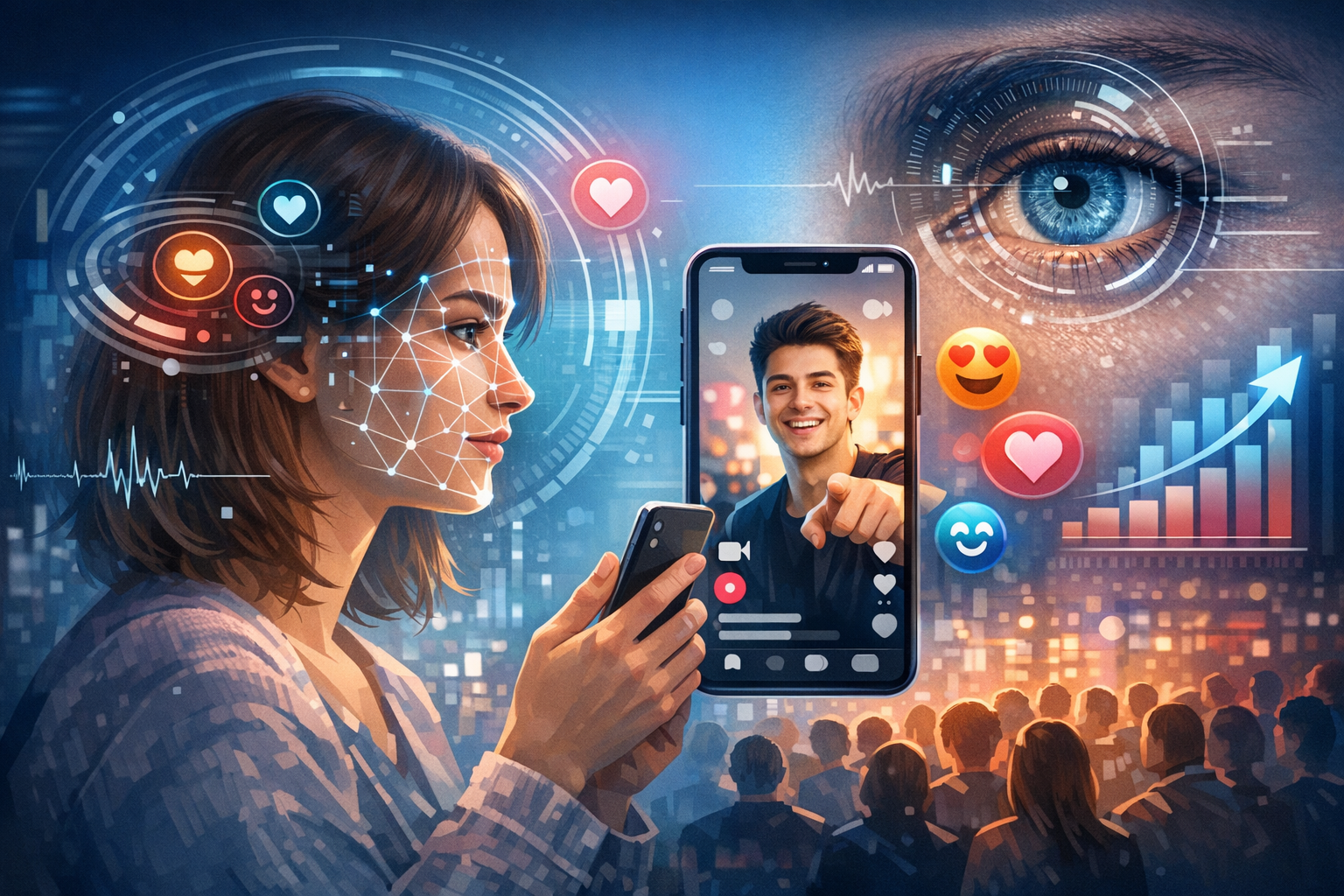
Biometric emotion recognition technology represents a quantum leap in understanding human emotional responses to digital content. This sophisticated system analyzes facial expressions, voice patterns, heart rate variations, and even micro-expressions to determine genuine emotional reactions from viewers. Unlike traditional engagement metrics that only capture clicks and views, this technology provides deep insights into how content truly affects audiences on an emotional level.
The integration of this technology into TikTok's ecosystem has created unprecedented opportunities for content creators to optimize their videos for maximum emotional impact. By understanding which moments trigger joy, surprise, excitement, or other positive emotions, creators can refine their content to generate more authentic engagement and viral potential.
The Science Behind Emotional Content Optimization
Research in neuroscience and behavioral psychology has consistently shown that emotional content significantly outperforms neutral content in terms of sharing, engagement, and memory retention. Biometric emotion recognition technology takes this principle to the next level by providing real-time feedback on emotional responses.
The technology works by:
- Analyzing facial muscle movements and expressions through device cameras
- Monitoring voice tone and pitch variations
- Tracking physiological responses through connected wearable devices
- Measuring engagement duration and interaction patterns
- Correlating emotional peaks with specific content elements
This data creates a comprehensive emotional profile that helps creators understand not just what their audience watches, but how they feel while watching it.
Revolutionary Growth Strategies for 2026
Emotion-Driven Content Planning
The most successful TikTok creators in 2026 are leveraging emotion recognition data to plan their content calendars strategically. By analyzing which emotional triggers resonate most with their specific audience, creators can craft videos that consistently hit the right emotional notes.
This approach involves mapping out emotional journeys within individual videos. For instance, a successful TikTok video might start with curiosity, build to surprise, peak with joy, and conclude with satisfaction. Understanding these emotional arcs allows creators to structure their content for maximum impact.
Real-Time Content Adaptation
Advanced biometric emotion recognition systems now offer real-time feedback during content creation. This means creators can adjust their performance, timing, and delivery based on immediate emotional response data from test audiences or even during live streaming sessions.
The ability to adapt content in real-time has proven particularly valuable for:
- Live streaming sessions where audience engagement can shift rapidly
- Educational content that needs to maintain viewer attention
- Entertainment videos requiring precise comedic timing
- Brand collaborations seeking specific emotional associations
Micro-Moment Optimization
One of the most powerful applications of emotion recognition technology is micro-moment optimization. This technique involves identifying and enhancing the specific seconds within a video that generate the strongest emotional responses. By understanding these micro-moments, creators can:
- Extend emotionally compelling segments
- Improve transitions between emotional states
- Eliminate or modify segments that cause negative emotional responses
- Create more effective hooks and conclusions
Practical Implementation Strategies
Building Your Emotion Recognition Toolkit
Successfully implementing biometric emotion recognition technology requires a strategic approach. Creators should start by establishing baseline emotional response data for their existing content. This involves analyzing past videos to identify emotional patterns that correlate with high performance.
The next step involves integrating emotion recognition tools into the content creation workflow. Many creators are finding success by partnering with professional social media marketing services that specialize in emotion-driven content optimization and can provide access to advanced analytics tools.
Audience Segmentation Through Emotional Profiling
Different audience segments respond to different emotional triggers. Biometric emotion recognition technology enables creators to develop detailed emotional profiles for various demographic groups within their following. This granular understanding allows for more targeted content creation and improved audience retention.
For example, younger audiences might respond more strongly to surprise and excitement, while older demographics might prefer content that evokes nostalgia or satisfaction. By tailoring content to these emotional preferences, creators can significantly improve their engagement rates across different audience segments.
Advanced Engagement Techniques
Emotional Cliffhangers and Series Creation
Biometric data reveals that certain emotional states, particularly curiosity and anticipation, are powerful drivers for return viewership. Savvy creators are using this insight to craft multi-part series that leverage emotional cliffhangers to maintain audience interest across multiple videos.
This strategy involves ending videos at emotional peaks rather than resolutions, encouraging viewers to seek out subsequent content. The key is balancing satisfaction with anticipation to avoid viewer frustration while maintaining engagement momentum.
Collaborative Content Optimization
The most innovative TikTok creators are collaborating with other influencers and brands to create emotionally optimized content that resonates with multiple audience bases. By combining emotional response data from different creators' audiences, collaborative content can be fine-tuned to appeal to broader demographics while maintaining authenticity.
Measuring Success Beyond Traditional Metrics
While traditional metrics like views, likes, and shares remain important, emotion recognition technology introduces new key performance indicators that provide deeper insights into content effectiveness:
- Emotional Intensity Score: Measures the strength of emotional responses throughout the video
- Emotional Consistency Rating: Evaluates how well the intended emotional journey aligns with actual viewer responses
- Positive Emotion Ratio: Calculates the percentage of content that generates positive emotional responses
- Emotional Retention Rate: Tracks how emotional peaks correlate with video completion rates
These metrics provide creators with actionable insights that go far beyond surface-level engagement data, enabling more strategic content optimization decisions.
Future Implications and Ethical Considerations
As biometric emotion recognition technology becomes more sophisticated, it raises important questions about privacy and ethical content creation. The most successful creators in 2026 are those who use this technology responsibly, focusing on creating genuinely valuable and entertaining content rather than manipulative material.
Transparency with audiences about the use of emotion recognition technology is becoming a best practice, with many creators openly discussing how they use emotional insights to improve their content quality and relevance.
Getting Started with Emotion-Driven TikTok Growth
For creators looking to implement these advanced strategies, starting with professional guidance can significantly accelerate success. Working with experienced social media management experts who understand both the technical aspects of emotion recognition technology and the creative demands of TikTok content can provide a crucial competitive advantage.
The key to success lies in viewing biometric emotion recognition not as a replacement for creativity, but as a powerful tool that enhances creative decision-making. By understanding how audiences truly respond to content on an emotional level, creators can craft more impactful, engaging, and ultimately successful TikTok videos.
As we continue through 2026, the creators who embrace these emotion-driven strategies while maintaining authenticity and ethical standards will likely emerge as the platform's most influential voices. The future of TikTok success lies not just in creating content that looks good, but in creating content that makes audiences feel something meaningful.


Комментарии
Отправить комментарий