LinkedIn Neural Network Profile Matching: How AI-Powered Connection Algorithms Will Transform Professional Networking in 2026
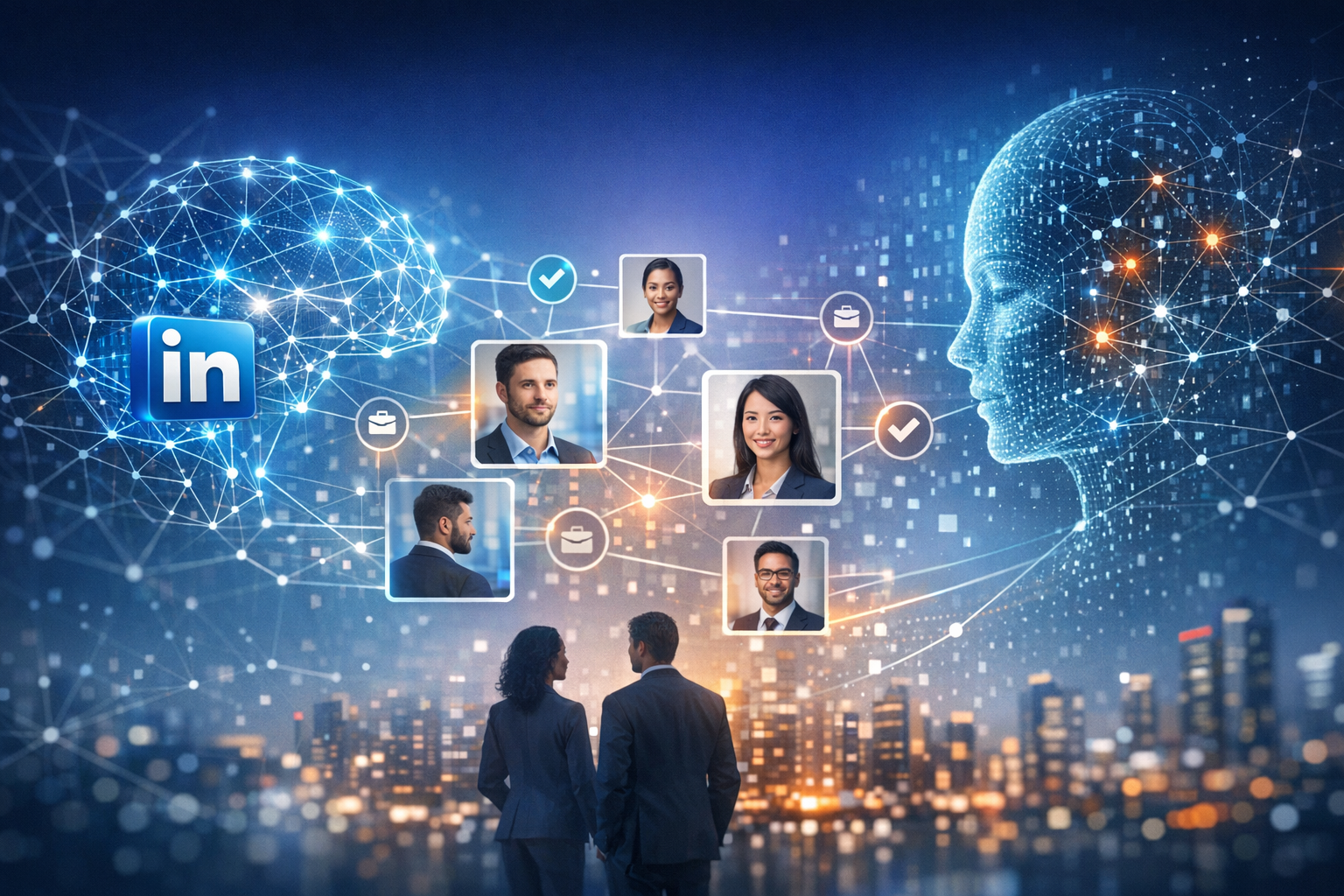
LinkedIn Neural Network Profile Matching: How AI-Powered Connection Algorithms Will Transform Professional Networking in 2026
The professional networking landscape is on the cusp of a revolutionary transformation. As we approach 2026, LinkedIn's integration of advanced neural network technologies promises to fundamentally reshape how professionals discover, connect, and collaborate with one another. This evolution represents more than just an algorithmic upgrade—it's a paradigm shift that will redefine the very essence of digital professional relationships.
The Current State of LinkedIn's Matching Algorithms
LinkedIn's existing recommendation system relies primarily on basic machine learning models that analyze user connections, shared experiences, and industry similarities. While effective to a degree, these systems often produce generic suggestions that lack the nuanced understanding necessary for meaningful professional relationships. Users frequently encounter connection recommendations based solely on mutual contacts or geographical proximity, missing opportunities for more strategically valuable relationships.
The platform's current approach analyzes fundamental data points including job titles, companies, educational backgrounds, and shared connections. However, this surface-level analysis fails to capture the subtle patterns and complex professional dynamics that characterize truly beneficial networking opportunities.
Neural Network Technology: The Game-Changer
Neural networks represent a quantum leap in artificial intelligence capability, mimicking the human brain's interconnected processing approach. Unlike traditional algorithms that follow predetermined rules, neural networks learn from vast datasets to identify patterns and relationships that would be impossible for humans to detect manually.
In the context of professional networking, these systems can analyze multiple layers of data simultaneously, including:
- Communication patterns and engagement history
- Career trajectory analysis and professional growth patterns
- Skill complementarity and knowledge gaps
- Industry trends and market dynamics
- Content consumption and sharing behaviors
This comprehensive analysis enables the creation of sophisticated professional profiles that extend far beyond basic demographic information.
Predicted Features for LinkedIn's 2026 Neural Network Implementation
Intelligent Career Path Mapping
By 2026, LinkedIn's neural networks will likely offer unprecedented career guidance through intelligent path mapping. The system will analyze millions of career trajectories to identify optimal connections for specific professional goals. Whether seeking a career transition, industry expertise, or mentorship opportunities, the AI will pinpoint individuals whose experiences and networks align perfectly with user objectives.
Dynamic Skill Ecosystem Matching
The platform will evolve beyond simple skill tagging to create dynamic skill ecosystems. Neural networks will understand how different competencies interact, identifying professionals whose complementary skills could lead to innovative collaborations or knowledge exchange opportunities. This approach recognizes that modern professional success often depends on diverse skill combinations rather than isolated expertise.
Predictive Relationship Modeling
Advanced algorithms will predict relationship success probability by analyzing communication styles, professional values, and collaboration preferences. This predictive modeling will help users prioritize their networking efforts on connections most likely to yield meaningful professional relationships.
Real-Time Market Intelligence Integration
Neural networks will continuously monitor market trends, emerging opportunities, and industry shifts to recommend connections that align with future career prospects rather than just current circumstances. This forward-looking approach ensures that networking efforts remain strategically relevant in rapidly evolving professional landscapes.
The Impact on Professional Networking Strategies
These technological advances will necessitate significant shifts in how professionals approach networking. Traditional strategies focused on quantity over quality will become obsolete as AI-powered systems emphasize strategic relationship building.
Professionals will need to optimize their LinkedIn profiles for neural network analysis, ensuring that their digital presence accurately reflects their expertise, aspirations, and collaboration potential. This includes maintaining updated skill assessments, engaging meaningfully with relevant content, and clearly articulating professional objectives.
The integration of neural network technology will also enhance the effectiveness of comprehensive social media marketing strategies, as professionals and businesses leverage AI insights to build more targeted and impactful online presence across platforms.
Benefits for Different Professional Demographics
Early Career Professionals
Young professionals will benefit enormously from AI-powered mentorship matching. Neural networks will identify experienced professionals who have successfully navigated similar career paths, providing access to guidance that might otherwise be difficult to obtain through traditional networking approaches.
Industry Veterans
Seasoned professionals will discover new opportunities for knowledge sharing and reverse mentoring. The system will identify emerging talents whose fresh perspectives could provide valuable insights, fostering intergenerational professional relationships.
Career Transitioners
Professionals seeking career changes will receive targeted connections to individuals who have successfully made similar transitions, along with introductions to industry insiders who can provide crucial market intelligence and opportunity awareness.
Entrepreneurs and Innovators
Business founders and innovators will benefit from sophisticated ecosystem mapping that identifies potential co-founders, advisors, and strategic partners based on complementary expertise and shared vision alignment.
Challenges and Considerations
While the potential benefits are substantial, the implementation of neural network-based matching systems raises important considerations regarding privacy, algorithmic bias, and the authenticity of professional relationships.
Privacy and Data Security
Enhanced AI capabilities require access to increasingly detailed personal and professional data. LinkedIn will need to balance algorithm sophistication with robust privacy protections, ensuring that users maintain control over their information while benefiting from AI insights.
Algorithmic Bias and Fairness
Neural networks can inadvertently perpetuate existing professional biases present in their training data. LinkedIn must implement rigorous testing and continuous monitoring to ensure that AI recommendations promote diversity and equal opportunity rather than reinforcing systemic barriers.
Maintaining Authentic Relationships
As AI becomes more sophisticated in predicting successful connections, there's a risk that professional networking could become overly calculated or transactional. The challenge lies in leveraging technology to facilitate authentic relationships rather than replacing human judgment and intuition.
Preparing for the Neural Network Era
Professionals who want to maximize the benefits of LinkedIn's evolving AI capabilities should begin preparing now. This includes developing comprehensive digital profiles that accurately represent their expertise and aspirations, engaging authentically with their professional communities, and staying informed about emerging trends in their industries.
Organizations should also consider how these advances will impact their talent acquisition and business development strategies. Companies that understand and adapt to AI-powered networking will gain significant advantages in identifying top talent and strategic partnerships.
For businesses looking to stay ahead of these trends, investing in professional digital marketing and social media optimization services can help ensure their teams and organizations are well-positioned to leverage these technological advances effectively.
The Future of Professional Networking
As we move toward 2026, the integration of neural network technology into LinkedIn's platform represents just the beginning of a broader transformation in professional networking. The convergence of AI, machine learning, and big data analytics will create unprecedented opportunities for meaningful professional connections while challenging traditional networking paradigms.
The professionals and organizations that embrace these changes, while maintaining focus on authentic relationship building, will be best positioned to thrive in this new era of AI-enhanced networking. The future belongs to those who can successfully balance technological sophistication with genuine human connection.
The transformation ahead promises to make professional networking more strategic, efficient, and ultimately more valuable for career development and business success. As neural networks become increasingly sophisticated, the quality and relevance of professional connections will reach new heights, ushering in an era of unprecedented opportunity for those ready to embrace the change.


Комментарии
Отправить комментарий