TikTok Holographic Content Strategy 2026: How Spatial Computing and Mixed Reality Filters Are Revolutionizing Brand Engagement
TikTok Holographic Content Strategy 2026: How Spatial Computing and Mixed Reality Filters Are Revolutionizing Brand Engagement
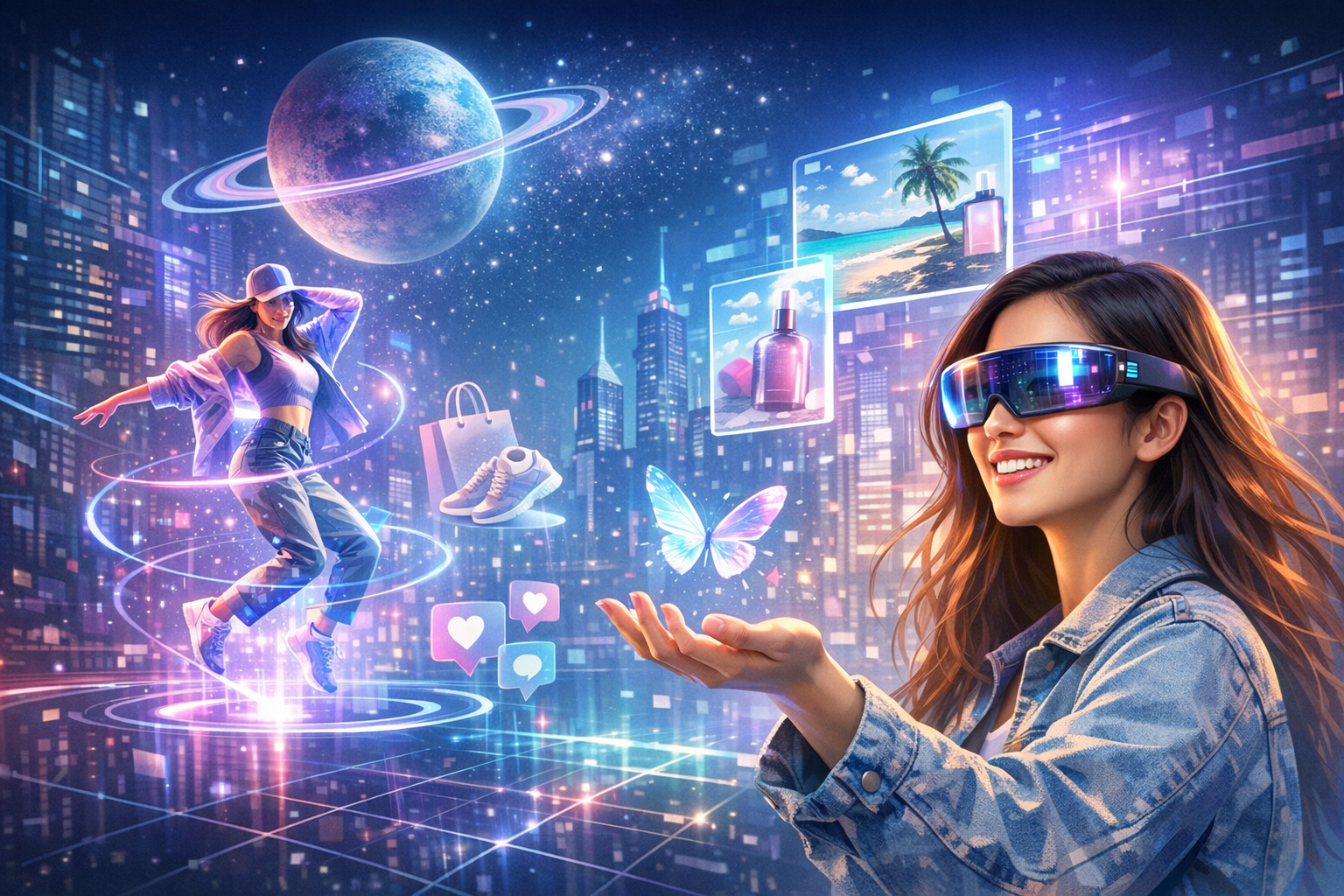
As we advance deeper into 2026, TikTok continues to push the boundaries of digital content creation with groundbreaking holographic technologies and mixed reality experiences. The platform's integration of spatial computing has fundamentally transformed how brands connect with audiences, creating immersive experiences that blur the line between digital and physical reality.
This evolution represents more than just technological advancement—it's a complete paradigm shift in social media marketing. Brands that master these emerging tools are experiencing unprecedented engagement rates and building deeper emotional connections with their target audiences.
The Rise of Holographic Content on TikTok
TikTok's holographic content features have evolved from experimental filters to sophisticated marketing tools that enable brands to create three-dimensional, interactive experiences. These holographic elements allow users to place virtual objects, characters, and brand messages directly into their real-world environment, creating content that feels both magical and authentic.
The technology behind these features leverages advanced spatial computing algorithms that map users' physical environments in real-time. This capability enables precise placement of holographic elements that respond to lighting conditions, surface textures, and spatial relationships, creating remarkably realistic augmented experiences.
Key Features of TikTok's Holographic Platform
- Persistent Object Placement: Holographic elements remain anchored to specific locations even when users move their devices
- Multi-User Shared Experiences: Multiple users can interact with the same holographic content simultaneously
- Environmental Adaptation: Holograms adjust to real-world lighting and shadows for enhanced realism
- Gesture Recognition: Users can manipulate holographic objects through hand movements and gestures
- Voice Integration: Holographic characters can respond to voice commands and engage in conversations
Mixed Reality Filters: The New Frontier of Brand Storytelling
Mixed reality filters have transformed TikTok from a simple video-sharing platform into an immersive storytelling medium. These advanced filters seamlessly blend digital elements with users' real environments, creating opportunities for brands to tell stories in ways previously impossible.
Unlike traditional filters that simply overlay graphics onto video, mixed reality filters understand spatial relationships and environmental context. This understanding allows for sophisticated interactions where virtual brand elements can hide behind real objects, cast realistic shadows, and respond to environmental changes.
Revolutionary Applications for Brands
Fashion brands are using mixed reality filters to enable virtual try-ons that account for body movement and lighting conditions. Automotive companies create experiences where users can place full-sized vehicle holograms in their driveways. Entertainment brands develop interactive characters that can explore users' homes alongside them.
These applications go beyond novelty—they provide genuine utility and entertainment value that encourages repeated engagement and social sharing. Professional social media marketing services are increasingly incorporating these technologies into comprehensive brand strategies, recognizing their potential to drive measurable business results.
Spatial Computing's Impact on User Engagement
The integration of spatial computing into TikTok has fundamentally changed how users interact with content. Traditional metrics like views and likes are being supplemented by new engagement indicators such as interaction time, spatial exploration depth, and collaborative participation rates.
Spatial computing enables TikTok to understand not just what users are watching, but how they're physically engaging with content. This data provides unprecedented insights into user behavior and preferences, allowing for more sophisticated content recommendation algorithms and targeted advertising opportunities.
Enhanced Metrics and Analytics
- Spatial Engagement Duration: How long users actively interact with holographic elements
- Environmental Interaction Patterns: How users incorporate virtual elements into their physical spaces
- Collaborative Engagement Rates: Frequency of multi-user shared experiences
- Gesture and Voice Interaction Analytics: User behavior patterns with interactive elements
- Environmental Context Analysis: How different real-world settings affect engagement
Building Effective Holographic Content Strategies
Creating successful holographic content requires a fundamental shift in creative thinking. Brands must consider spatial relationships, environmental context, and three-dimensional storytelling techniques that differ significantly from traditional flat video content.
The most effective holographic content strategies focus on utility, entertainment, and emotional connection. Rather than simply placing brand logos in space, successful campaigns create meaningful experiences that solve problems, entertain audiences, or facilitate social connections.
Best Practices for Holographic Brand Content
Start with clear objectives that align with your overall marketing goals. Holographic content should enhance your brand message rather than overshadow it. Consider how spatial elements can reinforce your brand values and create memorable experiences that encourage user-generated content.
Test extensively across different environments and devices to ensure consistent performance. Holographic content that works perfectly in a well-lit studio might behave differently in users' varied real-world conditions. Plan for these variations and design flexible experiences that adapt gracefully.
"The brands winning with holographic content are those that understand it's not about the technology—it's about creating genuine value for users in ways that weren't possible before."
Technical Considerations and Platform Requirements
TikTok's holographic features require specific device capabilities and software versions. Understanding these technical requirements is crucial for developing content that reaches your intended audience effectively. Current holographic features work best on devices with advanced processors, sufficient RAM, and sophisticated camera systems.
The platform continuously updates its spatial computing capabilities, requiring brands to stay current with new features and optimization techniques. Regular testing and iteration ensure that holographic content remains effective as the technology evolves.
Device Compatibility and Performance Optimization
- High-end smartphones with advanced AR processing capabilities
- Minimum 6GB RAM for smooth holographic rendering
- Updated TikTok app versions with spatial computing features enabled
- Stable internet connectivity for real-time processing
- Adequate lighting conditions for environmental mapping
Future Implications for Brand Marketing
The success of holographic content on TikTok signals a broader shift toward spatial computing in social media marketing. Brands that invest in understanding and mastering these technologies now will have significant advantages as the market matures and user expectations evolve.
The integration of artificial intelligence with spatial computing promises even more sophisticated experiences in the near future. Holographic brand ambassadors powered by AI could provide personalized interactions, while machine learning algorithms could optimize spatial content placement for maximum engagement.
For brands looking to stay competitive in this evolving landscape, partnering with experienced digital marketing professionals who understand both traditional social media strategies and emerging technologies becomes increasingly valuable.
Measuring Success in the Holographic Era
Success metrics for holographic content extend beyond traditional social media KPIs. Brands must develop new frameworks for measuring the effectiveness of spatial computing experiences, considering factors like environmental engagement, spatial interaction quality, and the depth of user immersion.
Return on investment calculations should account for the enhanced brand recall and emotional connection that holographic experiences can generate. While these benefits may not always translate directly into immediate sales, they contribute to long-term brand value and customer loyalty.
Conclusion: Embracing the Spatial Computing Revolution
TikTok's holographic content capabilities represent a fundamental evolution in social media marketing. Brands that embrace these technologies thoughtfully and strategically will create deeper connections with audiences and establish competitive advantages in an increasingly crowded digital landscape.
The key to success lies not in adopting every new feature immediately, but in understanding how spatial computing can enhance your brand's unique story and value proposition. As we continue through 2026 and beyond, the brands that thrive will be those that master the art of creating meaningful holographic experiences that resonate with users both digitally and physically.
The future of brand engagement is spatial, interactive, and immersive. The question isn't whether to adapt to these changes, but how quickly and effectively your brand can master the opportunities they present.


Комментарии
Отправить комментарий