TikTok Brain-Computer Interface Marketing 2026: How Neural Feedback Analytics Are Revolutionizing User Engagement and Content Personalization Through Direct Thought Pattern Analysis
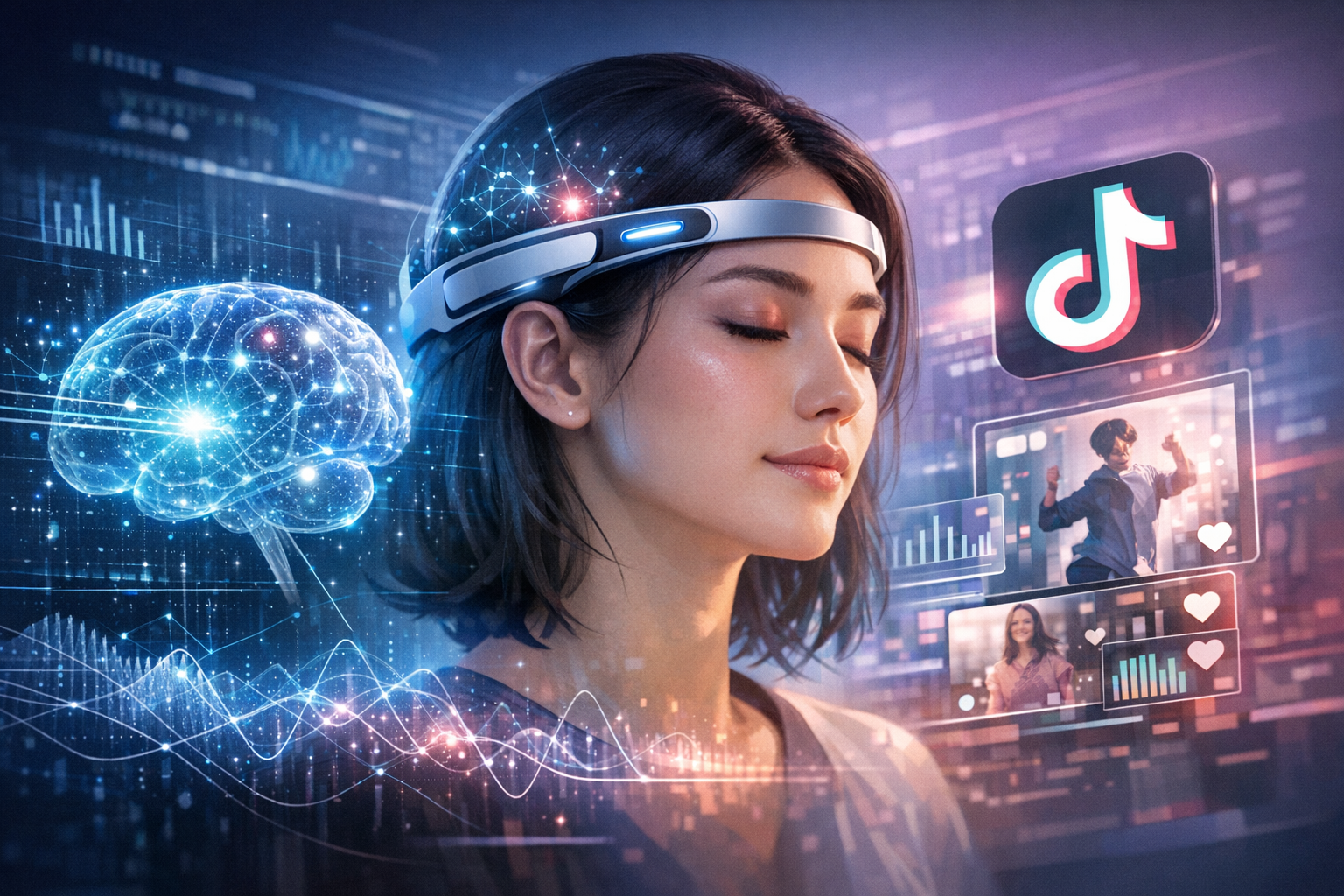
TikTok Brain-Computer Interface Marketing 2026: How Neural Feedback Analytics Are Revolutionizing User Engagement and Content Personalization Through Direct Thought Pattern Analysis
The digital marketing landscape is experiencing an unprecedented transformation as we approach 2026, with TikTok leading the charge through groundbreaking brain-computer interface (BCI) technology. This revolutionary approach to understanding user behavior goes beyond traditional metrics, diving deep into the neural patterns that drive engagement and content preference. As marketers seek more sophisticated ways to connect with their audiences, neural feedback analytics represents the next frontier in personalized content delivery and user experience optimization.
Understanding Brain-Computer Interface Technology in Social Media
Brain-computer interface technology has evolved from experimental neuroscience applications to practical consumer implementations. TikTok's integration of BCI systems allows for real-time monitoring of user neural responses while consuming content. This technology captures subtle brain signals that indicate genuine interest, emotional engagement, and cognitive load, providing insights that traditional engagement metrics cannot deliver.
The system works by detecting electrical activity in the brain through non-invasive sensors, typically embedded in lightweight headwear or integrated into smartphones through advanced proximity sensing. These sensors measure various neural indicators including attention levels, emotional valence, and cognitive processing intensity. Unlike conventional analytics that rely on user actions like likes, shares, and comments, neural feedback provides immediate and authentic responses that users cannot consciously manipulate.
The Evolution of Content Personalization Through Neural Analytics
Traditional content personalization algorithms rely heavily on historical user behavior, demographic data, and stated preferences. However, these methods often miss the nuanced emotional and psychological factors that truly drive content engagement. Neural feedback analytics addresses this gap by providing direct access to users' subconscious responses to content elements.
Through thought pattern analysis, TikTok's advanced algorithms can identify which specific visual elements, audio frequencies, pacing patterns, and narrative structures resonate most strongly with individual users. This granular level of personalization enables the platform to curate content that aligns not just with stated preferences, but with deep-seated psychological triggers that drive genuine engagement.
The integration of neural feedback into social media platforms represents a paradigm shift from reactive to predictive content curation, enabling platforms to anticipate user preferences before users themselves are consciously aware of them.
Key Components of Neural Feedback Systems
- Attention Monitoring: Tracks sustained focus and attention span during content consumption
- Emotional Response Mapping: Identifies positive, negative, and neutral emotional reactions to specific content elements
- Cognitive Load Assessment: Measures mental effort required to process different types of content
- Memory Encoding Indicators: Detects neural patterns associated with memorable content creation
- Preference Prediction: Anticipates content preferences based on subconscious neural responses
Transforming User Engagement Through Direct Thought Analysis
The implementation of neural feedback analytics has fundamentally changed how TikTok measures and optimizes user engagement. Traditional metrics like watch time and interaction rates provide surface-level insights, but neural data reveals the quality and depth of engagement at a neurological level.
This technology enables the identification of "neural engagement zones" – specific moments within content where users experience peak cognitive and emotional involvement. By analyzing these patterns across millions of users, TikTok can provide creators with precise feedback on which elements of their content generate the strongest neural responses.
Real-Time Content Optimization
One of the most significant advantages of neural feedback analytics is the ability to optimize content in real-time. As users consume content, their neural responses are continuously monitored and analyzed. If the system detects declining engagement or negative emotional responses, it can dynamically adjust content delivery, switching to alternative versions or transitioning to different content types that better align with the user's current neural state.
This level of responsiveness ensures that users remain in optimal engagement states for longer periods, significantly improving platform retention and satisfaction metrics. For marketers and content creators, this means unprecedented opportunities to maintain audience attention and deliver more impactful messaging.
Marketing Applications and Brand Integration Strategies
The integration of brain-computer interface technology into TikTok's platform has opened new avenues for sophisticated marketing strategies. Brands can now access neural data to understand how their content performs at a subconscious level, enabling more effective campaign optimization and audience targeting.
Marketing professionals who want to leverage these advanced capabilities often turn to specialized social media marketing services that understand the complexities of neural-driven content strategies. These services help brands navigate the technical aspects of BCI-integrated campaigns while ensuring optimal performance across all engagement metrics.
Neurological A/B Testing
Traditional A/B testing relies on user actions to determine content effectiveness, but neural feedback enables testing at the cognitive level. Marketers can now compare how different versions of their content affect brain activity, identifying which elements generate stronger emotional responses, better attention retention, and higher memory encoding rates.
This approach has proven particularly valuable for:
- Optimizing visual design elements for maximum neural impact
- Testing audio components and their effect on emotional engagement
- Evaluating narrative structures and their cognitive processing efficiency
- Identifying optimal content duration based on attention span patterns
- Assessing brand messaging effectiveness at a subconscious level
Privacy and Ethical Considerations in Neural Marketing
The implementation of brain-computer interface technology in social media marketing raises important questions about privacy and data security. Neural data represents the most intimate form of personal information, as it provides direct access to users' thoughts and emotional states. TikTok has implemented comprehensive privacy frameworks to ensure that neural data is protected and used responsibly.
Key privacy measures include:
- Encrypted neural data transmission and storage
- User consent protocols for neural monitoring activation
- Anonymization of individual neural patterns in aggregate analysis
- Transparent disclosure of neural data usage in marketing applications
- User control over neural data sharing preferences
Future Implications and Industry Transformation
The success of TikTok's brain-computer interface integration is already influencing other social media platforms and digital marketing technologies. As neural feedback analytics become more sophisticated and accessible, we can expect to see widespread adoption across the industry.
This technological evolution is driving demand for marketing professionals who understand both traditional digital strategies and emerging neural technologies. Companies seeking to stay competitive in this rapidly evolving landscape often partner with comprehensive digital marketing agencies that can bridge the gap between conventional social media management and cutting-edge neural analytics implementation.
Predicted Developments for 2026 and Beyond
Industry experts anticipate several key developments in neural marketing technology:
- Enhanced Sensor Technology: Smaller, more accurate neural monitoring devices with improved battery life
- Predictive Neural Modeling: AI systems capable of predicting user preferences before content consumption
- Cross-Platform Neural Integration: Unified neural profiles that work across multiple social media platforms
- Therapeutic Applications: Using neural feedback to identify and address digital wellness concerns
- Creative AI Collaboration: AI systems that generate content based on optimal neural response patterns
Conclusion: Embracing the Neural Revolution in Digital Marketing
TikTok's pioneering implementation of brain-computer interface technology represents a fundamental shift in how we understand and optimize user engagement in digital marketing. By providing direct access to neural feedback and thought pattern analysis, this technology enables unprecedented levels of content personalization and user experience optimization.
As we move further into 2026, marketers who embrace these neural analytics capabilities will gain significant competitive advantages in audience engagement, content effectiveness, and campaign performance. However, success in this new landscape requires both technical understanding and ethical consideration of the profound implications of neural data usage.
The future of social media marketing lies in the seamless integration of human neurology and artificial intelligence, creating experiences that resonate at the deepest levels of human cognition and emotion. For brands and marketers ready to embrace this revolution, the opportunities for meaningful audience connection have never been greater.


Комментарии
Отправить комментарий